
Do seasonal changes make you feel depressed?
Understanding Seasonal Affective Disorder and Reverse Seasonal Affective Disorder
Seasonal Affective Disorder (SAD) and its counterpart, Reverse Seasonal Affective Disorder (RSAD), are two psychological phenomena that many individuals experience, often leading to significant emotional distress. Understanding these conditions can help in managing symptoms and fostering emotional well-being throughout the year.
What is Seasonal Affective Disorder (SAD)?
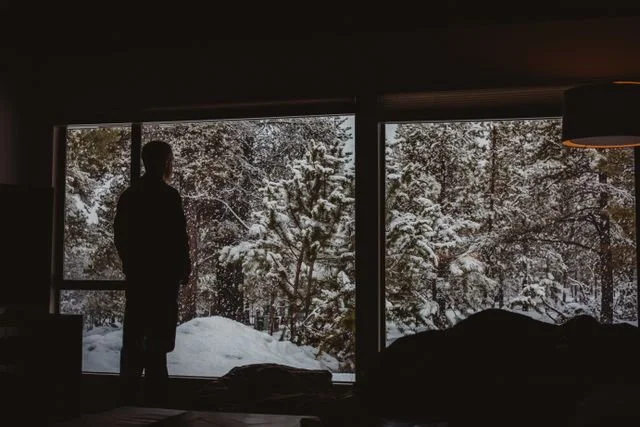
Seasonal Affective Disorder (SAD) is a form of depression that usually occurs during specific seasons, most commonly in the winter months for those in the Northern hemisphere. Individuals with SAD typically find their mood plummeting as the days grow shorter and the weather becomes colder. Symptoms may include:
Persistent feelings of sadness or hopelessness
Loss of interest in activities once enjoyed
Changes in sleep patterns, often sleeping more than usual
Increased cravings for carbohydrates, leading to weight gain
Difficulty concentrating and making decisions
Social withdrawal
The exact causes of SAD are not fully understood, but it is believed to be related to changes in light exposure. The lack of sunlight affects the body's internal clock, disrupting circadian rhythms and altering serotonin and melatonin levels, which in turn impact mood and sleep cycles. If you know that you suffer from depression with seasonal changes, there’s help available.
Recognizing Reverse Seasonal Affective Disorder (RSAD)
Conversely, Reverse Seasonal Affective Disorder (RSAD) occurs during the warmer months, typically in the summer. While less commonly discussed, RSAD can be just as debilitating as its winter counterpart. Symptoms may include:
Increased irritability or anxiety
Persistent feelings of restlessness
A disrupted sleep schedule leading to insomnia
Decreased appetite and weight loss
Social withdrawal, particularly from outdoor activities that one might normally enjoy
RSAD can occur for various reasons, such as increased heat and humidity or the pressure to engage socially during the summer months. Much like SAD, RSAD is influenced by changes in sunlight and the associated biochemical changes in the body. Folks who are particularly negatively affected by sunlight, such as those with sun allergies, red hair and fair skin, and those who suffer from certain skin conditions, may be impacted by RSAD.
Strategies to Manage SAD and RSAD
While both SAD and RSAD can be challenging, there are effective strategies to manage their symptoms. Here are several approaches that can be beneficial:
1. Light Therapy
For those suffering from SAD, light therapy is one of the most effective treatments. This involves exposure to a special light box that mimics natural sunlight. Regular sessions in the morning can help regulate sleep patterns and improve mood. For RSAD, it may also help to limit exposure to bright lighting during evenings to maintain a balanced circadian rhythm.
2. Therapeutic Activities
Engaging in physical activity is crucial. Regular exercise can release endorphins, which naturally boost mood. Whether it’s a brisk walk, yoga, or any form of movement, the key is consistency. Outdoor activities in natural light can be particularly effective for those with SAD.
3. Mindfulness and Cognitive Behavioral Therapy (CBT)
Mindfulness practices, such as meditation and deep breathing, can help reduce feelings of anxiety and depression. Psychotherapy is another effective therapeutic option that focuses on identifying and changing negative associations and thoughts, particularly those magnified by seasonal changes.
4. Nutritional Adjustments
Eating a well-balanced diet can support mental health. Incorporating omega-3 fatty acids, found in fish, and maintaining a regular intake of fruits and vegetables can help improve mood stability. During winter, addressing vitamin D deficiencies with supplements may also be beneficial.
5. Social Support
Finally, social connections are vital. Engaging with friends and family provides support and reduces feelings of isolation. Joining support groups, whether in-person or online, can offer a sense of community during challenging times.
Counseling for Depression
If symptoms of SAD or RSAD become overwhelming and impact daily functioning, it’s essential to seek professional help. Counseling for depression provides an avenue to explore emotions and develop coping strategies. A mental health professional can offer guidance, therapy, and medication if necessary, ensuring a tailored approach to recovery.
Understanding and managing seasonal affective disorders involves recognizing the symptoms, utilizing coping strategies, and embracing support systems. By fostering awareness around these conditions, individuals can empower themselves to navigate the emotional tides of the seasons with resilience and hope.